GambleAware National Gambling Helpline UK 2026: Free Support, Contact Options and Available Services
Gambling problems can develop gradually, often becoming difficult to recognise until money worries, stress, secrecy or strained relationships begin to take up more space in everyday life. The GambleAware National Gambling Helpline UK 2026 is part of the free support network available to people affected by gambling harm, offering a private place to speak with someone who understands the situation.
Support is not limited to people who gamble themselves. Partners, relatives, friends and professionals can also seek guidance when they are concerned about another person’s gambling. Reaching out does not commit anyone to a formal programme or require them to have all the answers. It can simply be the first step towards understanding what practical help is available.
Understanding What the National Gambling Helpline Provides
A Confidential Starting Point for Gambling Concerns
The National Gambling Helpline, delivered by GamCare, provides free and confidential support for people in Great Britain affected by gambling. Its advisers can listen without judgement, discuss immediate concerns and help callers consider suitable next steps based on their circumstances.
A conversation may cover issues such as losses, debt, pressure to continue gambling, difficulties stopping, concerns about online betting, or the impact on a family. The purpose is not to label someone or force a particular decision, but to give them reliable information and a clearer sense of control.
Support for People Around the Gambler
Gambling harm rarely affects only one person. Family members may be managing household finances, coping with broken trust or feeling unsure how to raise the subject without making matters worse. The helpline can help concerned others understand the available support options and prepare for constructive conversations.
This wider approach matters because recovery can involve practical changes at home as well as individual support. Advice may include managing shared money safely, setting boundaries, finding specialist counselling or using tools that reduce access to gambling services.
Contacting the Helpline in 2026
Freephone and Digital Support Options
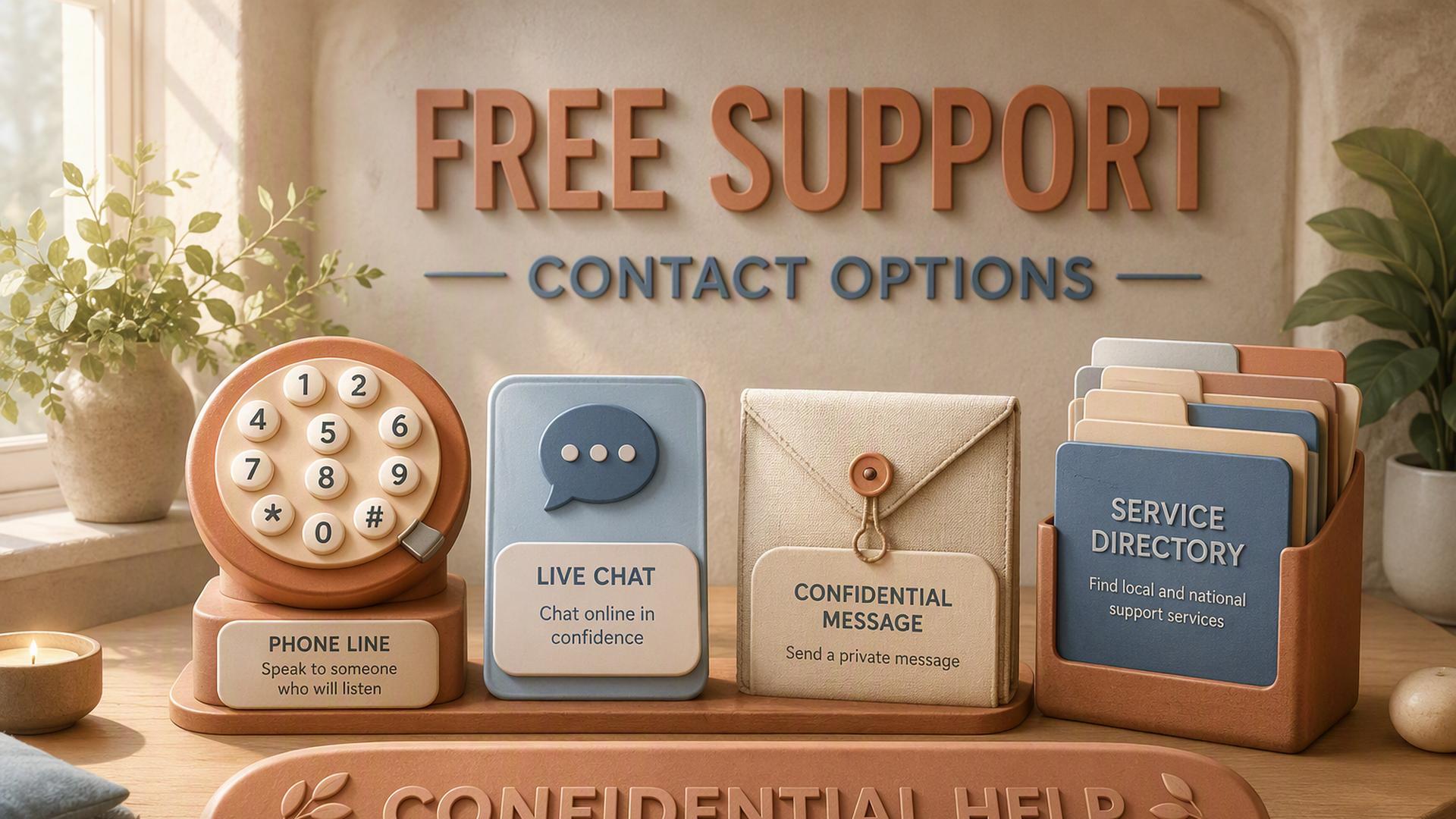
The National Gambling Helpline can be reached free of charge, 24 hours a day and seven days a week, by calling 0808 8020 133. The same number can also be used to contact the service through WhatsApp, offering an alternative for people who are more comfortable writing than speaking.
GamCare also provides live chat through its website and support by email at [email protected]. These options can make it easier to ask for help discreetly, particularly for someone who shares a home, feels anxious about calling or needs time to explain their circumstances in writing.
A Note for Callers in Wales and Northern Ireland
Support routes can vary across the UK. In Wales, the dedicated 24-hour gambling support line is 0808 2819 265, while people elsewhere in Great Britain can use the National Gambling Helpline number. Checking the current contact details on GambleAware or GamCare’s official website is sensible, particularly where local treatment and referral arrangements are needed.
Northern Ireland has different health and gambling-support arrangements from Great Britain. Anyone based there should use local health services or trusted specialist support organisations to identify the most appropriate route. This distinction is useful because “UK-wide” is often used informally, while some services are commissioned differently by nation.
What Happens When Someone Gets in Touch
The First Conversation Is Usually About Immediate Needs
An adviser will generally begin by understanding what has prompted contact. This could be a recent loss, increasing debts, hidden gambling, worries about a loved one, or a fear that gambling is becoming unmanageable. There is no requirement to provide a perfect account of events before receiving support.
The discussion can then focus on the most urgent issue. For one person, that may be stopping access to gambling platforms; for another, it may be talking to a creditor, finding counselling or making a plan for the next few days. Small, realistic actions can be more helpful than attempting to solve every problem at once.
Advisers Can Signpost Specialist Services
The helpline is designed to connect people with appropriate help rather than operate as a single, one-size-fits-all service. Depending on the situation, an adviser may explain counselling options, local treatment providers, peer-support communities or financial guidance services.
Referrals are normally based on a person’s needs, location and willingness to engage. Some people benefit from one-to-one treatment, while others prefer self-guided resources or online peer spaces. The key point is that seeking initial advice does not remove a person’s choice over what happens next.
Practical Tools That Can Reduce Gambling Access
Self-Exclusion and Blocking Measures
Many people find that reducing immediate access to gambling creates valuable breathing room. Advisers can explain self-exclusion schemes, which allow individuals to ask gambling operators to block or limit their accounts for a defined period. This can be especially relevant when gambling has become impulsive or difficult to pause.
Software that blocks gambling websites and apps can add another layer of protection across phones, tablets and computers. These tools are not a complete solution on their own, but they can support a broader recovery plan by making it harder to act on a sudden urge.
Money Management Can Be Part of Recovery
Financial stress is often closely linked to gambling harm, which is why practical money steps may be discussed alongside emotional support. Separate accounts for essential bills, bank gambling blocks, transaction limits and trusted third-party support can help reduce the risk of further losses.
Useful measures may include:
- asking a bank about a gambling transaction block;
- reviewing direct debits, recurring payments and available credit;
- creating a short-term budget for essential spending;
- seeking free debt advice before taking out new borrowing;
- agreeing clear financial boundaries with a trusted family member where appropriate.
These steps can feel uncomfortable at first, but they are intended to protect essentials such as housing, food, utilities and family finances while longer-term support is arranged.
Counselling, Peer Support and Recovery Resources
Professional Support Is Available in Different Formats
Gambling treatment may involve structured counselling, therapeutic sessions, group support or guided digital resources. The right format depends on the individual, including how gambling affects their mental health, relationships, finances and daily responsibilities.
Some people prefer a regular appointment with a trained practitioner, while others begin with online resources before deciding whether further treatment feels right. Specialist services can also support people whose gambling is connected with anxiety, depression, trauma, isolation or substance use.
Peer Spaces Can Reduce Isolation
Problem gambling often becomes harder to discuss because of shame or fear of being judged. Moderated online communities, forums and chatrooms can help people hear from others who have faced similar experiences and are working towards change.
Peer support does not replace professional care when urgent or complex needs are present. However, it can make recovery feel less isolating and provide encouragement between formal appointments. For family members, speaking with others in similar circumstances can also bring practical reassurance and perspective.
Knowing When Urgent Help Is Needed
Gambling Harm Can Become a Mental Health Emergency
A person experiencing severe distress, thoughts of self-harm or thoughts of suicide needs immediate support beyond gambling-specific advice. In an emergency, call 999 or go to the nearest A&E department. If someone is in emotional crisis and needs to talk, Samaritans can be reached on 116 123.
For people under 35 experiencing thoughts of suicide, HOPELINEUK from Papyrus is available on 0800 068 4141. Contacting an emergency or crisis service is appropriate even if gambling is the source of the distress, because immediate safety must come first.
Early Contact Can Prevent Problems From Escalating
It is not necessary to wait for debts, relationship breakdown or a crisis before asking for support. Concern about gambling patterns, a loss of control, or pressure to chase money can be enough reason to contact the helpline.
Early conversations often make it easier to identify practical safeguards and reduce the feeling of being trapped. Whether someone is looking for information, emotional support or a route into treatment, the National Gambling Helpline offers an accessible first point of contact.
A Conversation Can Be the Beginning of Change
The National Gambling Helpline provides a free, confidential route to advice and specialist support for people affected by gambling harm. Calling 0808 8020 133, using WhatsApp or live chat, or contacting GamCare by email can help turn a difficult and private problem into a manageable set of next steps.
-
North American Society for Sports History

-
Cambridge UP

-
UP Bookstore

-
Podcast Feeds
 Entries RSS Feed